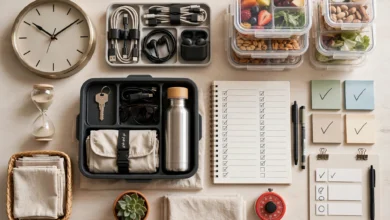
How to Declutter Your Home in a Weekend
Declutter your home in a weekend with this practical, room-by-room plan covering sorting, donating, and keeping your space organized long-term.

Decluttering your home doesn’t have to eat up months of your life or turn into a project you keep putting off. Most people picture decluttering as an endless slog, pulling everything out of closets and never quite finishing, and that image alone is enough to stop anyone from starting. But with the right plan, you can genuinely declutter your home in a weekend and wake up Monday morning to a space that actually feels like yours again.
The trick isn’t working faster. It’s working smarter. A weekend declutter succeeds because it has a deadline, a clear system, and a realistic scope. You’re not trying to achieve some Pinterest-perfect minimalist house by Sunday night. You’re trying to clear out what’s actually weighing your home down: the junk drawers, the clothes you haven’t worn in two years, the random boxes in the garage you forgot existed.
This guide walks you through a practical two-day plan, from prepping supplies on Friday night to celebrating a clean, functional home by Sunday evening. You’ll get a room-by-room strategy, honest advice about what to do with items you can’t keep, and tips for making sure the clutter doesn’t creep back in a month later. No gimmicks, no unrealistic promises, just a plan that works for real homes and real schedules.
Why a Weekend Declutter Works Better Than Dragging It Out
A lot of organizing advice tells you to declutter “a little at a time” over weeks or months. That works for some people, but for most of us, it just means the project never actually finishes. Clutter sits in a weird limbo of half-sorted piles for months.
Dedicating a full weekend to decluttering your home works because:
- It creates momentum. Once you start seeing surfaces clear, you want to keep going.
- It forces decisions. A tight timeline means you can’t agonize over every item for twenty minutes.
- It’s finishable. Two days is a scope your brain can actually commit to, unlike an open-ended “someday” project.
- It resets your whole home at once, instead of leaving some rooms tidy and others untouched.
The goal isn’t perfection. It’s progress you can see and feel by Sunday night.
What You Need Before You Start
Before diving into the weekend decluttering plan, gather a few basic supplies. Having them ready means you won’t lose momentum hunting for a trash bag mid-sort.
Supplies checklist:
- Trash bags (heavy-duty, for both garbage and donations)
- Boxes or bins, labeled “Keep,” “Donate,” “Sell,” and “Trash”
- A marker and sticky notes for labeling
- Cleaning supplies (save actual deep cleaning for later, but have wipes on hand)
- A tape measure, if you’re planning to rearrange furniture
- A notebook or your phone’s notes app to track what needs to leave the house
It also helps to take a few “before” photos of each room. They’re a surprisingly good motivator once you see the “after” side by side.
Friday Night: Setting the Stage
You don’t need to do any heavy lifting Friday night, but fifteen minutes of prep makes Saturday and Sunday run far more smoothly.


Walk Through Your Home and Make a Priority List
Walk through every room and jot down which areas feel the most overwhelming. Most people find that the kitchen, closets, the garage, and a catch-all junk drawer or entryway top the list. You won’t get to everything in a weekend, so prioritizing the most cluttered zones matters more than trying to cover every square foot.
Set a Realistic Schedule
Block out specific time chunks for Saturday and Sunday rather than leaving the whole weekend open-ended. A loose schedule like this works for most households:
- Saturday morning: Bedrooms and closets
- Saturday afternoon: Kitchen and living areas
- Sunday morning: Garage, basement, or storage areas
- Sunday afternoon: Final organizing, donation drop-off, and cleanup
Build in short breaks. Decluttering is mentally tiring, and burnout by noon on Saturday will stall the whole weekend.
Saturday: The Big Declutter Day
This is where the real work happens. The goal for Saturday is sorting, not perfecting. Save detailed organizing for Sunday.
Step 1: Declutter by Category, Not Just by Room
The KonMari method, popularized by Marie Kondo, suggests sorting by category (clothes, books, papers, miscellaneous items) rather than room by room. This works well because it’s easy to underestimate how much of one category you own when it’s scattered across multiple rooms. If category sorting feels too ambitious for a weekend, a hybrid approach works fine too: tackle one room at a time, but sort everything in that room by category as you go.
Step 2: Use the Four-Box Method
For every item you pick up, it goes into one of four categories:
- Keep – you use it regularly or it genuinely matters to you
- Donate – still useful, just not for you anymore
- Sell – worth more than a quick donation drop-off
- Trash/Recycle – broken, expired, or no longer functional
Don’t create a fifth “maybe” pile. That pile is where decluttering projects go to die. If you’re on the fence, ask yourself whether you’ve used the item in the last year. If the answer is no, it probably belongs in the donate pile.
Step 3: Apply the One-Year Rule
If you haven’t touched, worn, or used something in the past twelve months, it’s safe to let it go, with reasonable exceptions for seasonal gear, sentimental keepsakes, and important documents. This single rule cuts through most indecision faster than any other technique.
Step 4: Tackle High-Clutter Zones First
Closets, junk drawers, and kitchen cabinets tend to accumulate the most unused items. Starting here gives you quick, visible wins that keep your energy up for the rest of the weekend.
Step 5: Deal with Sentimental Items Last
Photos, gifts, and keepsakes slow everyone down because they come loaded with emotion rather than logic. Save these for the end of Saturday or even Sunday, once you’ve built up some decision-making momentum from the easier categories.
Sunday: Organize, Donate, and Set Up Systems
With the bulk of sorting done, Sunday is about turning your “Keep” piles into an organized, functional home, and getting the rest of the clutter physically out of your house.
Step 6: Give Everything a Home
A big reason clutter returns is that items don’t have a designated spot. As you put things away, make sure every category has a specific place: mail goes in a tray, keys go on a hook, out-of-season clothes go in labeled bins. If something doesn’t have an obvious home, that’s often a sign you don’t actually need it.
Step 7: Handle the Donate and Sell Piles Immediately
Don’t let donation boxes sit in your garage for weeks. Load them into your car Sunday afternoon and drop them off the same day. Many charitable organizations like Goodwill accept clothing, housewares, and furniture in good condition, and some even offer pickup services for larger items. If you’ve set aside things to sell, list them that evening while the motivation is fresh, rather than letting them linger in a corner indefinitely.
Step 8: Dispose of Items Responsibly
Not everything belongs in a regular trash bag. Electronics, batteries, paint, and certain chemicals require special disposal to avoid environmental harm. The U.S. Environmental Protection Agency provides clear guidelines on recycling and hazardous waste disposal that are worth checking before you toss anything questionable into the trash.
Step 9: Do a Final Walkthrough and Light Clean
Once everything has a home, do a quick wipe-down of surfaces now that they’re actually visible. This isn’t a deep clean, just enough to make the newly organized spaces feel fresh. Take your “after” photos and compare them to Friday’s “before” shots. It’s a genuinely satisfying way to close out the weekend.
Common Decluttering Mistakes to Avoid
Even with a solid plan, a few habits can derail your weekend. Watch out for these:
- Starting without a plan. Jumping in without prioritizing zones leads to half-finished rooms everywhere.
- Buying organizing bins before decluttering. Containers don’t fix a clutter problem, they just make it look tidier temporarily. Sort first, then buy storage if you actually need it.
- Letting family members distract the process. Involve them in decisions about their own belongings, but don’t let the weekend turn into a debate about every single item.
- Keeping things “just in case.” This is the single biggest reason clutter accumulates in the first place.
- Skipping the donation drop-off. Boxes that sit in your car or garage for weeks tend to migrate back into the house.
For additional structured guidance on organizing systems and professional decluttering standards, the National Association of Productivity and Organizing Professionals offers resources and certified organizer directories if you ever want expert help with a particularly stubborn space.
How to Keep Your Home Clutter-Free After the Weekend
A weekend declutter resets your space, but without small ongoing habits, clutter tends to creep back within a few months. A few simple practices make a big difference:
- Do a five-minute reset each evening. Put things back where they belong before bed.
- Follow a one-in-one-out rule. When something new comes in, something old goes out.
- Schedule a quarterly mini-declutter. A couple of hours every few months prevents clutter from building back up to overwhelming levels.
- Pause before buying. Ask whether you actually need an item or just want it in the moment.
- Reassess storage spaces seasonally. Closets and garages tend to be where clutter hides longest, so check them each season.
These habits take far less effort than another full weekend overhaul, and they’re what actually keep your home organized long term.
Frequently Asked Questions
Can you really declutter an entire home in one weekend?
Yes, for most average-sized homes, a focused two-day plan covering priority zones is realistic. Very large homes or years of accumulated clutter might need a second weekend, but you’ll still see major progress.
What should I do with items I can’t decide about?
Set a short time limit, like 2-4 weeks, to put undecided items in a sealed box. If you haven’t needed anything from it by the deadline, donate the whole box without reopening it.
Is it better to declutter by room or by category?
Both work. Category-based sorting (all clothes, then all books, etc.) tends to reveal just how much you own of each type, while room-by-room keeps the process feeling more contained and less overwhelming for a single weekend.
What’s the fastest way to clear a junk drawer or cluttered entryway?
Dump the entire contents onto a table, sort into keep/trash/relocate piles, and only put back what genuinely belongs there. These small, high-traffic spots usually take under thirty minutes but make a noticeable difference.
Conclusion
Decluttering your home in a weekend is a realistic goal when you approach it with a clear plan rather than vague intentions. By prepping supplies ahead of time, tackling high-clutter zones first, sorting with a simple keep-donate-sell-trash system, and committing to donation drop-offs right away, you can transform a cluttered, stressful house into an organized space in just two focused days. The real key to lasting results isn’t the weekend itself, it’s the small daily habits you build afterward to keep clutter from creeping back in. Start with one room, trust the process, and by Sunday evening you’ll have a home that feels lighter and genuinely easier to live in.